
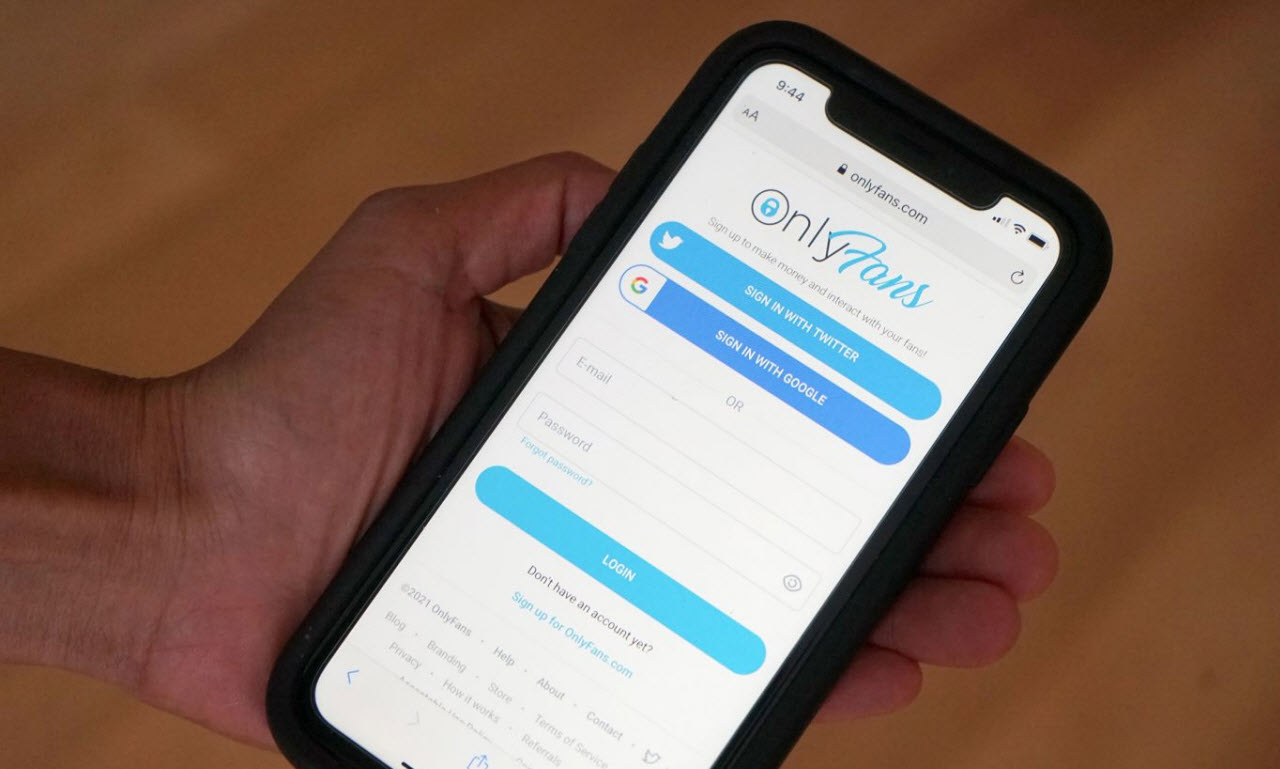
China has officially banned OnlyFans, branding it a “Western disease” that corrupts its digital landscape. The government’s decision is part of a broader campaign to purge online spaces of content it deems immoral. OnlyFans, primarily known for its adult-oriented material, was previously accessible in China through VPNs and third-party payment systems. This ban now closes those workarounds entirely.
The prohibition severs access for both users and content creators, effectively halting all activity on the platform. China’s history of restricting Western platforms is well-documented, with Instagram, Reddit, select video games, and certain films already on the blacklist. For a brief period, some users reported accessing OnlyFans without a VPN, hinting at a possible easing of restrictions. That window, however, has slammed shut.
Last year, a small number of Chinese users celebrated regaining full access to OnlyFans, sharing their excitement on social media platforms. Posts on X highlighted this temporary freedom, with some users expressing surprise at the platform’s availability. But the government’s latest move ensures that such access is no longer possible, reinforcing its strict control over online content.
The ban aligns with China’s ongoing efforts to regulate digital media and curb influences it considers harmful. OnlyFans, with its reputation for adult content, was an obvious target for authorities aiming to enforce moral standards. The platform’s reliance on VPNs made it a persistent challenge for regulators until now. This latest crackdown demonstrates China’s determination to maintain a tightly controlled internet.

Public reactions to the ban have been mixed but vocal, especially on platforms like X. One user, Alex The Black Cap, posted on July 16, 2025, expressing strong support for China’s decision. Their post stated, “I completely support China’s decision to ban OnlyFans,” arguing that the platform is rarely used in a positive or appropriate manner. The sentiment reflects a broader debate about the platform’s societal impact.
Other voices on X echoed similar views, with one user writing, “Have to agree with China on this one.” The comment suggests a growing sentiment among some that OnlyFans promotes content that clashes with certain cultural or ethical values. These reactions highlight the polarizing nature of the platform, even outside China’s borders.
The ban’s implications extend beyond China, sparking discussions about digital freedom and censorship globally. Supporters of the decision argue that platforms like OnlyFans contribute to moral decay, while critics see it as another example of authoritarian overreach. The debate underscores the tension between individual expression and state control in the digital age.
China’s move is not an isolated incident but part of a pattern of restricting Western platforms. The government has consistently targeted apps and websites that don’t align with its ideological framework. Instagram and Reddit, for instance, have long been inaccessible without VPNs, and OnlyFans now joins their ranks.
For creators in China, the ban eliminates a potential revenue stream, as OnlyFans had allowed some to monetize content discreetly through VPNs. The loss of access could push creators to alternative platforms or underground methods, though these carry significant risks under China’s strict regulations. Users, meanwhile, are left with fewer options for accessing such content.
The brief period of loosened restrictions last year had given some hope that China might soften its stance on certain platforms. Social media posts from that time captured a sense of optimism among users who accessed OnlyFans freely. However, the government’s swift reversal shows its commitment to maintaining a sanitized digital environment.
As China doubles down on its internet policies, the global conversation about OnlyFans and similar platforms continues to evolve. The ban serves as a reminder of the country’s tight grip on digital content and its willingness to take drastic measures to enforce its vision of online morality.