
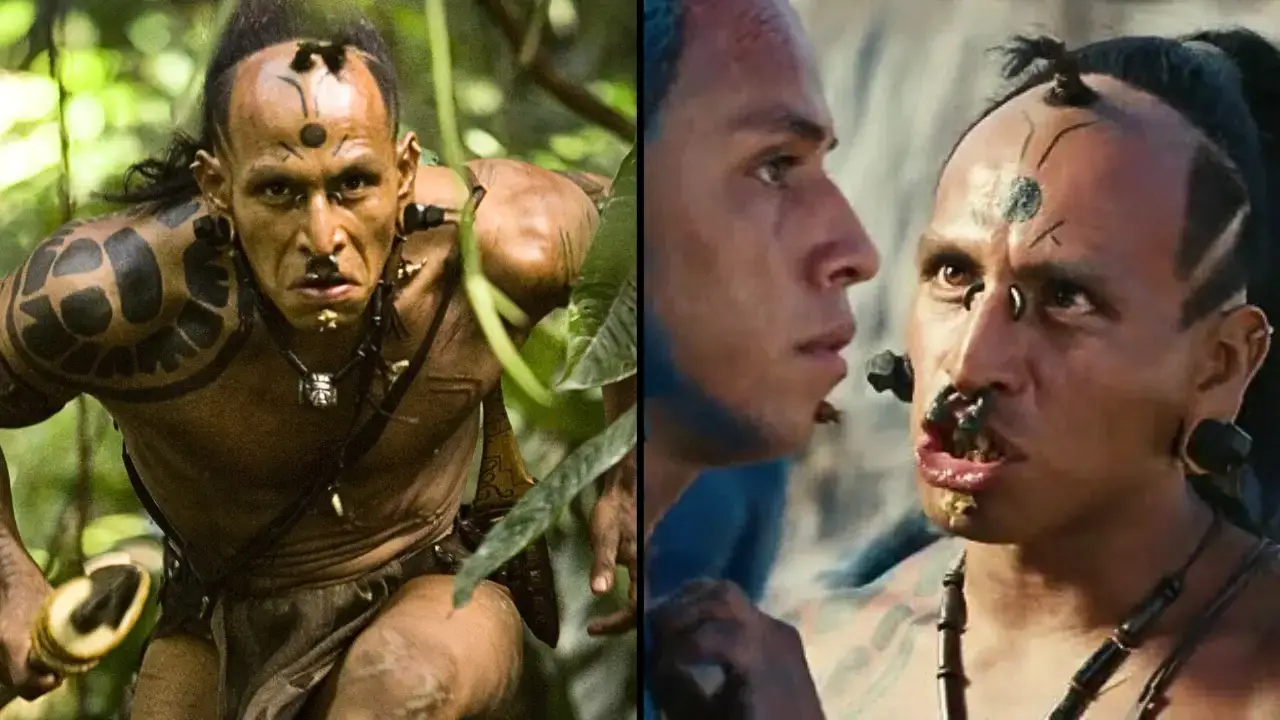
Cinema enthusiasts are currently championing a specific, visceral historical drama, labeling it the single greatest motion picture ever produced. This intense journey through the past has captured the imagination of a new generation of digital viewers.
The high-octane adventure is frequently cited as an essential viewing experience and stands out as a premier offering from the 2000s. Even the legendary filmmaker Quentin Tarantino has weighed in, officially designating the project a true masterpiece of the craft.
A surge of appreciation has recently taken over social media platforms, with long-time fans passionately encouraging newcomers to witness the spectacle. The consensus among these devotees is that the film represents the absolute pinnacle of historical storytelling.

One viewer expressed deep emotional resonance, noting that while few movies truly move them, this particular production is undeniably brilliant. The raw power of the imagery seems to leave a lasting impression on almost everyone who watches.
Another fan placed it firmly within their personal top ten list of all time. They remarked that words often fail to adequately capture the sheer intensity and technical precision found within the movie’s various sequences.
The rewatch value of the film is also a major talking point among the community. One commentator claimed they could view the feature a million times without ever succumbing to a moment of boredom or repetition.
Interestingly, some fans argue that the film transcends its primary genre. They suggest it deserves a prominent place in discussions regarding the best horror and action hybrids released during the early twenty-first century.

“A must-watch movie. Don’t miss this,” urged another enthusiastic reviewer, echoing the sentiment of thousands. The film’s reputation for being an unrelenting, sensory-driven experience continues to grow years after its initial debut in theaters.
Behind the lens was a high-profile figure who took on both producing and directing duties for the project. The narrative focuses on the 16th-century twilight of the ancient Mayan civilization in Mesoamerica.
The plot follows a protagonist named Jaguar Paw, a young tribesman whose peaceful life is shattered when he is captured. After being taken to a great city for ritual sacrifice, he must engineer a desperate escape.
Critical reception has remained solid over the years, with the film currently holding a 79% audience score on Rotten Tomatoes. On the database site IMDb, it maintains a respectable and steady rating of 7.8/10.
Prominent critics like David Keyes have lauded the film’s lasting impact. Keyes noted that the work is more than just effective; it serves as a powerful benchmark for what cinematic foresight can achieve.
Peter Bradshaw, writing for The Guardian, offered a more visceral take on the production. He described the film as “pathologically brilliant,” highlighting its extreme violence and inspired, almost bizarre, creative choices.

However, the film was not without its share of heated public debates. Despite the praise from mainstream critics and moviegoers, a significant amount of controversy trailed its release regarding historical representation.
A variety of academic scholars have pointed out numerous inaccuracies within the script. Specifically, the film’s portrayal of mass human sacrifice has been a primary point of contention for historians specializing in the region.
Zachary Hruby, an expert on the Maya from the University of California, Riverside, shared insights with National Geographic. He clarified that while the Aztecs were known for large-scale sacrifices, the Maya records don’t support such depictions.
According to Hruby, there is no archaeological evidence to suggest the Maya performed sacrifices on the industrial scale shown in the movie. This discrepancy led to accusations of sensationalism for the sake of entertainment.

Further criticism came from Ricardo Cajas, a Guatemalan official, who argued the film damaged the public’s understanding of indigenous history. He viewed it as a Western perspective being forced upon a different civilization.
Despite these cultural and historical debates, the film’s commercial momentum remained completely unshaken. It became a significant box office success and earned several accolades, including a COFCA Award for its stunning cinematography.
For those ready to experience this Mel Gibson-directed epic, it is currently available to stream on Prime Video and Apple TV. The film that has sparked all this enduring passion is the 2006 masterpiece, Apocalypto.