
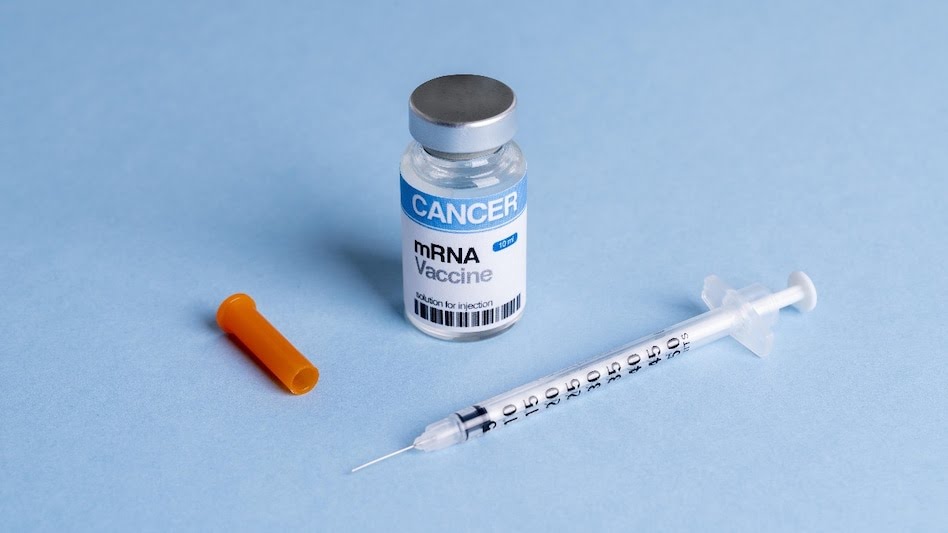
Russia is gearing up to launch human trials for a groundbreaking AI-designed cancer vaccine, with the first patients expected to receive treatment in the coming months, state-run RT reported. Alexander Gintsburg, director of the Gamaleya Research Institute, shared this timeline with RIA Novosti.
The vaccine, built on messenger RNA (mRNA) technology, is fully personalized, crafted using each patient’s unique tumor profile. Gintsburg emphasized that this makes the drug exclusive to each individual, unusable for others.
Trials will initially focus on melanoma patients and will be conducted at Moscow’s Hertsen Research Institute and Blokhin Cancer Center. The Gamaleya Center will oversee vaccine production.
Development began in mid-2022, utilizing artificial intelligence to analyze genetic tumor data for tailored treatments. This approach ensures precision in targeting cancer cells.

The mRNA vaccine trains the immune system to detect and eliminate malignant cells using cytotoxic lymphocytes, offering a highly targeted therapy.
Its personalized nature requires a distinct regulatory process, established by the Russian government earlier this year. Gintsburg noted this differs from standard drug approval protocols.
With AI support, the vaccine production cycle—from tumor analysis to final product—takes about a week, making it efficient for clinical use.
Early results are promising, with animal studies and small-scale human trials showing the vaccine’s potential to combat cancer effectively.
While starting with melanoma, the vaccine’s framework is being adapted for pancreatic, kidney, and non-small-cell lung cancers, some of the toughest to treat.
Russia’s Health Ministry reports 4 million cancer patients in the country, with 625,000 new diagnoses yearly. This vaccine could revolutionize national cancer care.

Gintsburg revealed that foreign medical institutions have expressed interest in collaborating, highlighting the vaccine’s global promise.
Last December, Russian authorities announced the vaccine will be free for citizens, with each dose costing around 300,000 rubles (USD 2,869) to produce.
Andrey Kaprin, head of the Radiology Medical Research Centre, clarified that the vaccine treats existing cancers, not prevents them, using tumor-derived genetic material.
It activates the immune system against cancer-specific antigens, minimizing harm to healthy tissues and enhancing treatment precision.
In the US and UK, similar mRNA vaccines for glioblastoma and melanoma are showing encouraging immune responses and improved survival in early trials.
If successful, Russia’s vaccine could redefine personalized medicine, offering a scalable model for global cancer treatment.
Its blend of AI, mRNA technology, and free access positions this vaccine as a potential turning point in the battle against cancer worldwide.