
Table of Contents
- Introduction: A City Shrouded in Fear
- Lady Bird Lake: A Scenic but Sinister Setting
- The “Rainey Street Ripper” Theory: Fact or Fiction?
- Police Response: Dismissing the Serial Killer Claims
- Demographics of the Deceased: Patterns and Profiles
- Jeff Jones’ Chilling Survival Story
- Benzodiazepines: A Clue to Foul Play?
- Causes of Death: Accidents, Suicides, or Something Else?
- Rainey Street’s Nightlife: A Deadly Connection?
- Community Outcry: Petitions and Public Distrust
- City Safety Measures: Addressing the Crisis
- Parallels to Other Mysterious Cases
- What’s Next for Austin?
- Conclusion: Seeking Clarity Amid Uncertainty
- References
Introduction: A City Shrouded in Fear
Since 2022, Austin, Texas, has been gripped by a chilling mystery: 38 bodies have been pulled from Lady Bird Lake, a serene reservoir in the heart of the city. The alarming frequency of these discoveries has sparked fears of a potential serial killer, dubbed the “Rainey Street Ripper” by locals, named after the vibrant nightlife strip nearby. If these deaths were connected, the body count would surpass that of notorious serial killer John Wayne Gacy, who killed at least 33 people. Yet, the Austin Police Department (APD) insists there’s no evidence of a serial killer, attributing most deaths to accidents or suicides. This article explores the facts, survivor stories like that of Jeff Jones, demographic patterns, and the community’s growing unease, offering a comprehensive look at one of America’s most perplexing mysteries.
Warning: This article discusses suicide, which may be distressing for some readers.
Lady Bird Lake: A Scenic but Sinister Setting
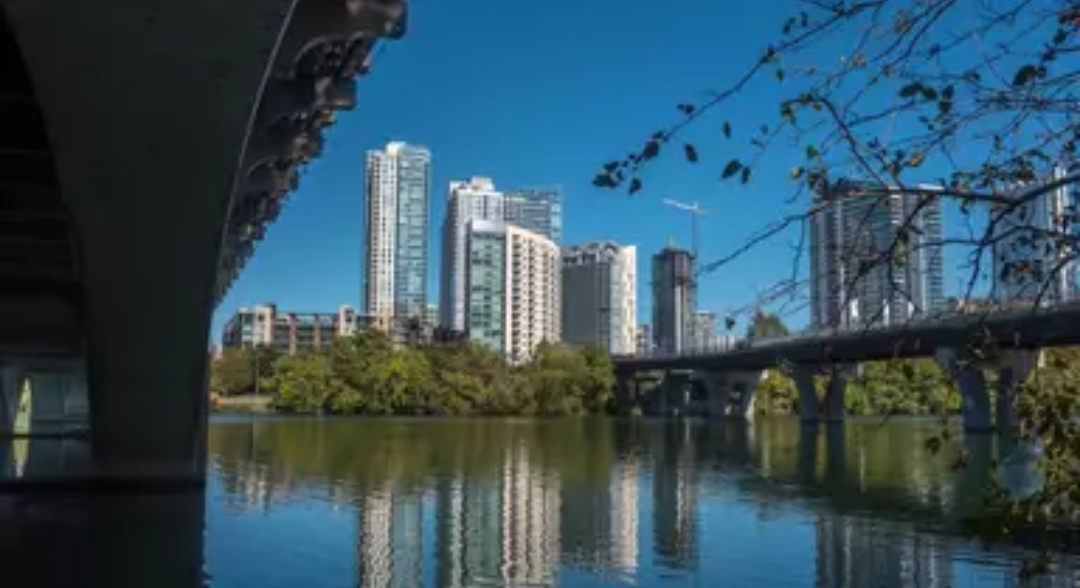
Lady Bird Lake, a 416-acre reservoir on the Colorado River, is a beloved Austin landmark, created in 1960 for recreation and flood control. Flanked by the Ann and Roy Butler Hike and Bike Trail, it’s a hub for kayaking, paddleboarding, and scenic walks. However, its proximity to Rainey Street—a lively nightlife district known for bars, food trucks, and music—has cast a dark shadow over its beauty.
Since July 2022, the lake has become a grim repository for bodies, with discoveries averaging one per month. The first recorded case was Ricky Parks, 59, found in July 2022, followed by others like Jason John and Christopher Hays-Clark in 2023. By June 2025, the tally reached 38, including a teenage boy found after a kayaking incident. The lake’s underwater shelves—sudden drop-offs—and strong currents pose risks, especially at night, but the sheer number of deaths has raised questions beyond natural hazards.
The “Rainey Street Ripper” Theory: Fact or Fiction?
The term “Rainey Street Ripper” emerged from community speculation, fueled by the concentration of deaths near Rainey Street’s nightlife. Social media platforms like TikTok and X have amplified the theory, with users like @901Lulu and @stillgray sharing posts about a possible serial killer targeting young men. A chilling Reddit post from April 2024 described a bar patron—a 40-something white man—allegedly boasting about targeting Rainey Street patrons, though this remains unverified.
The theory gained traction due to the high body count, which exceeds that of infamous serial killers like John Wayne Gacy (33 victims). However, the APD has consistently denied these claims, noting that only one death—a December 2022 shooting—was ruled a homicide, unrelated to the lake. Despite this, six cases with undetermined causes of death and survivor Jeff Jones’ account keep the “Ripper” narrative alive.
Police Response: Dismissing the Serial Killer Claims
The APD has been steadfast in addressing public concerns, emphasizing a rigorous investigative process. Each case undergoes:
- Homicide Unit Review: To assess signs of foul play.
- Medical Examiner’s Autopsy: To check for physical trauma.
- Toxicology Testing: To detect substances like drugs or alcohol.
In a 2023 Facebook post, the APD stated, “There is no evidence in any of these cases to support allegations of foul play. While each incident has occurred at the lake, the circumstances, exact locations, and demographics surrounding these cases vary.” They highlighted alcohol consumption and easy lake access as common factors, noting that many deaths occur after park hours (10 p.m.) in poorly lit areas.

The latest case, reported in June 2025, involved a teenage boy who went missing while kayaking. Corporal Jose Mendez told FOX 7 Austin, “Another paddleboarder… notified us that it appeared that an individual was deceased and floating on Lady Bird Lake.” The APD ruled it a drowning, with no signs of foul play, but public skepticism persists, fueled by the six undetermined cases.
Demographics of the Deceased: Patterns and Profiles
Of the 38 bodies recovered, 30 were male, with 60% aged 39–49, per FOX 7 Austin. Two teenagers were also found, including the June 2025 kayaker. This demographic skew has led to theories—since debunked—that gay men were being targeted, possibly due to Rainey Street’s diverse nightlife crowd.
Notable cases include:
- Jason John, 30 (February 2023): Last seen on Rainey Street; his parents suspect foul play.
- Christopher Hays-Clark, 30 (April 2023): His ex-partner, Reegan Aparicio, believes he was murdered.
- Jonathan Honey, 33 (April 2023): Cause of death undetermined.
The predominance of middle-aged men reflects the nightlife demographic, but the pattern fuels speculation of a targeted killer, despite police assurances.
Jeff Jones’ Chilling Survival Story
Jeff Jones, a 38-year-old from Boston, became a central figure in the “Rainey Street Ripper” saga after a near-fatal incident in June 2023. While attending a bachelor party on Rainey Street, Jones became separated from his friends around 1 a.m. He was later found unconscious beneath the West Sixth Street Bridge, having fallen 25 feet into Shoal Creek, a Colorado River tributary.

Jones was hospitalized in a coma, requiring surgeries to insert metal rods in his back. Toxicology tests revealed benzodiazepines, specifically Rohypnol—a date-rape drug—in his system, which he denies taking voluntarily. “Whoever they may be just missed the target, and I hit the ground, and luckily because of that I didn’t drown,” he told the Daily Mail. “Not many people can say they potentially survived a serial killer.”
The APD attributes his fall to an accident near an underwater shelf, but Jones’ story, coupled with the drug findings, has bolstered the serial killer theory. His full recovery has made him a symbol of hope and suspicion in Austin’s ongoing mystery.
Benzodiazepines: A Clue to Foul Play?
The discovery of Rohypnol in Jeff Jones’ system raises alarming questions. Benzodiazepines, known for causing disorientation and memory loss, are often used in drug-facilitated assaults. Rainey Street’s nightlife, with its crowded bars, is a potential hotspot for drink spiking, a concern echoed by Austin’s Sip Safely program.
Without public toxicology reports for other victims, it’s unclear if Rohypnol is a recurring factor. The lack of transparency fuels speculation that similar incidents may have gone undetected, lending credence to the “Ripper” narrative.
Causes of Death: Accidents, Suicides, or Something Else?
The APD has classified most deaths as accidental drownings, often linked to alcohol, with some attributed to suicides or overdoses. Only one case—a December 2022 shooting—was ruled a homicide. Six cases remain undetermined, including Kyle Thornton (December 2022) and Jonathan Honey (April 2023).
A controversial July 2024 case involved a man found with blunt force trauma, ruled a suicide by gunshot, prompting public outrage. Families like Reegan Aparicio’s question these rulings, citing inconsistencies and demanding reinvestigations.
Rainey Street’s Nightlife: A Deadly Connection?
Rainey Street, a former residential area turned nightlife hub, attracts thousands with its bars and festive atmosphere. Its proximity to Lady Bird Lake—less than a mile away—makes it easy for intoxicated patrons to wander to the lake’s poorly lit trails. The APD notes that many deaths occur after park hours, when visibility is low and underwater shelves pose risks.
The combination of alcohol, easy lake access, and environmental hazards creates a perfect storm, but the high number of deaths suggests to some that more sinister forces may be at play.
Community Outcry: Petitions and Public Distrust
In July 2024, a petition titled “Austin Police Department – Acknowledge That The Austin Drownings May Not Be Accidents” garnered over 5,200 signatures, reflecting public distrust. Families like those of Martin Gutierrez (2018) and Christopher Hays-Clark demand transparency. Social media, including X posts from @stillgray, amplifies these concerns, with users speculating about a cover-up.

Residents like Alex Parker, quoted in Different Drummer, argue that the APD’s dismissal of the serial killer theory ignores suspicious patterns, fueling calls for federal investigation.
City Safety Measures: Addressing the Crisis
Austin has responded with initiatives like:
- Safer 6th St Initiative: Enhanced lighting and cameras near Rainey Street.
- Sip Safely Program: Educates patrons about drink spiking.
- Trail Upgrades: $800,000 for lighting and fencing along the lake’s trails.
Ambulances now patrol Rainey Street to assist intoxicated individuals, but residents argue these measures don’t address the root cause of the deaths.
Parallels to Other Mysterious Cases
The Lady Bird Lake deaths draw comparisons to Lake Lanier in Georgia, where drownings have sparked similar speculation. The “Smiley Face Killer” theory, linking drownings of young men across the U.S., is another parallel, though experts like Texas Monthly dismiss such narratives as conspiracy-driven. The concentration of deaths near Rainey Street distinguishes Austin’s case, keeping the serial killer theory alive.
What’s Next for Austin?
The APD faces mounting pressure to release toxicology reports and reinvestigate undetermined cases. Families and residents call for:
- Increased surveillance and patrols.
- Collaboration with independent investigators.
- Public awareness campaigns about lake safety.
Restoring trust will require transparency and action, as Austin grapples with fear and uncertainty.
Conclusion: Seeking Clarity Amid Uncertainty
The 38 bodies found in Lady Bird Lake since 2022 have transformed Austin from a vibrant city to one haunted by suspicion. The “Rainey Street Ripper” may be a myth, but Jeff Jones’ survival, undetermined deaths, and community distrust keep the mystery alive. As Austin seeks answers, the balance between official explanations and public fear remains delicate, leaving a city yearning for closure.
References
- FOX 7 Austin: Reports on the June 2025 kayaking incident and demographics.
- Daily Mail: Jeff Jones’ interview (2024).
- Austin Police Department Facebook post (2023).
- Petition: “Austin Police Department – Acknowledge That The Austin Drownings May Not Be Accidents” (2024).
- X posts from @901Lulu, @stillgray (2023–2025).