
From City Dreams to Tiny Home Bliss: Our £11k Off-Grid Adventure
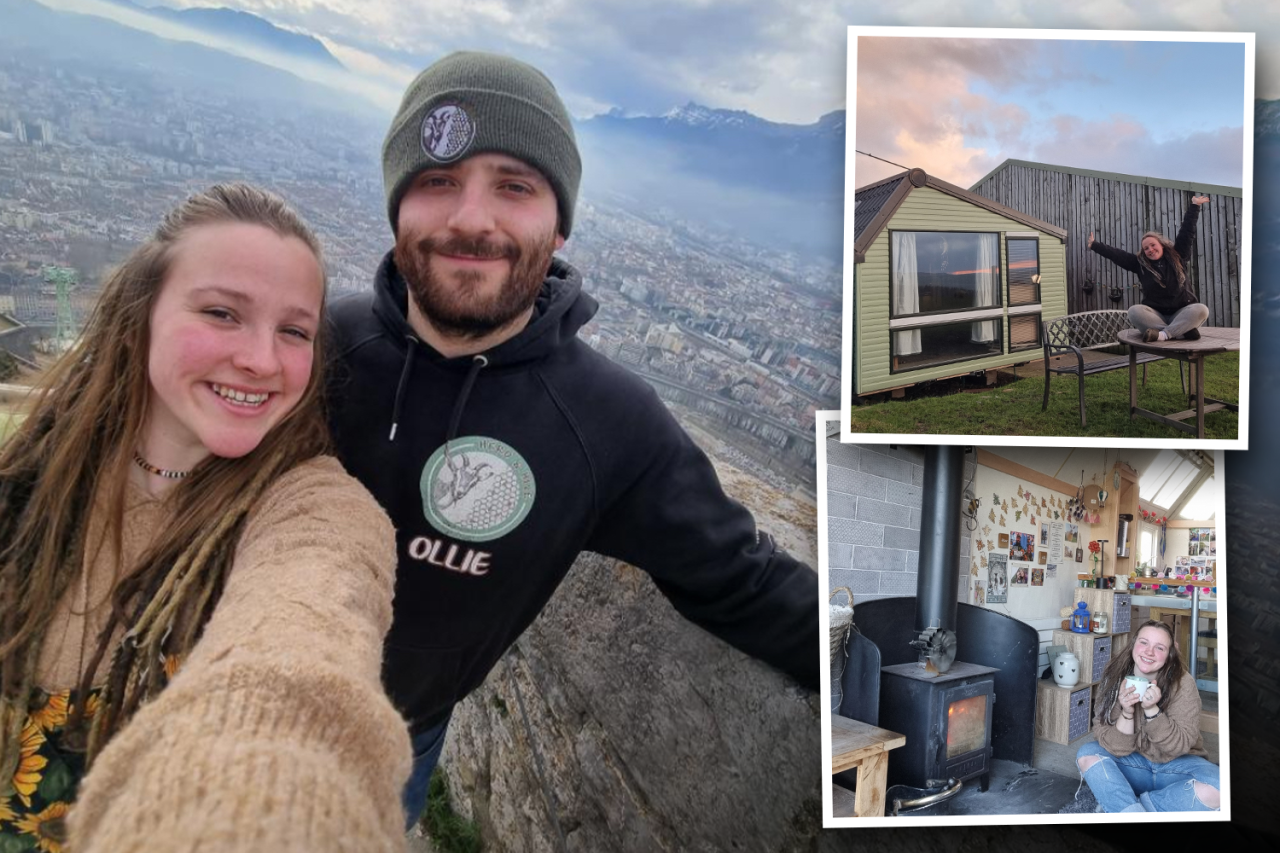
In a world where urban life often means sky-high rents and endless bills, Kate Graham and her boyfriend Ollie have forged a different path. While their friends hit the town for nights out, the couple is happily chopping wood for their fire, preparing meals on a modest stove, and soaking in the serene views of the West Yorkshire moors from their tiny home. Purchased for just £11,000 on Facebook, their off-grid abode costs a mere £8.86 a day to run, proving that a simpler life can be both affordable and fulfilling.
A Leap of Faith in Love and Lifestyle
Kate and Ollie’s journey began in March 2019, when they met on a lively night out with friends. Both 20 at the time, Kate was living with her parents, Bev and Matthew, while Ollie resided with his father, Terry, on their family farm in West Yorkshire. By 2022, Kate had settled into farm life with Ollie, embracing the rural charm. She kept two pet goats, using their milk to craft soap, and sold it alongside honey from her father’s bees at local markets. The couple dreamed of turning this side hustle into a full-time business, but the £1,000 monthly rent for a typical rural home was a barrier they couldn’t overcome on their modest incomes—Kate as a medical lab worker and Ollie as an agricultural mechanic.

Then came a game-changing offer from Ollie’s father, Terry. He proposed they rent a plot of land on the family farm for their goats. As agricultural workers, they could secure planning permission to build a home on the land, albeit with strict conditions: the house could be no larger than 40 x 20 feet and had to be entirely off-grid, without access to mains electricity, water, gas, or sewage. For many, the idea of living without modern conveniences like a TV or reliable utilities might seem daunting, but Kate and Ollie saw an opportunity to chase their dreams.
A Tiny House, Big Savings
Undeterred by the challenges, the couple pooled their £11,000 savings to purchase a pre-built tiny house they found on Facebook. Delivered by trailer in September 2023, the compact home features a cozy bedroom with an en-suite, a small kitchen, and a living area—all nestled within the breathtaking landscape of the Yorkshire moors. While their friends questioned their sanity—wondering why they’d trade modern comforts for chopping logs and forgoing a TV—Kate and Ollie were captivated by the simplicity and freedom their new home offered.

Adjusting to such a small space wasn’t without its hiccups. Early on, the couple bickered over chores like fetching firewood or tidying their limited space. A brisk walk through the fields, however, was usually enough to cool any tensions. Their home relies on rainwater collected in a tank for showering and flushing the toilet, which connects to a septic tank Ollie dug himself. They filter the rainwater for drinking, and a generator provides an hour of power daily for hot showers and lighting. Solar lights handle the rest, and a wood-burning stove keeps them warm, fueled by logs they gather in all weather.

Living Lightly, Loving Deeply
The tiny house lifestyle demands frugality and ingenuity. Without a fridge, Kate and Ollie use a cool box for essentials like milk and butter, shopping daily at local farm shops. Their kitchen is equipped with just a few cups and small saucepans, and their dining table seats only two, making dinner parties a challenge. Once, a friend stayed over but had to sleep on the floor, as the sofa was too small. Yet, these limitations are a small price to pay for the financial freedom they’ve gained.
By living off-grid, Kate and Ollie have slashed their living costs to just £8.86 a day. They pay £2,000 annually to rent the land from Terry and £1,000 for the lowest council tax band, with minimal expenses for gas to fuel their cooking hob and generator. In contrast, renting a typical home would cost them £12,000 a year—money they’ve redirected to fuel their entrepreneurial ambitions.

Building a Business, Embracing Simplicity
In December 2023, just three months after moving in, Kate and Ollie took a bold step: they quit their jobs to focus on their business, Herd & Hive. The venture, born from Kate’s passion for crafting goat’s milk soap and selling raw honey and beeswax products, has flourished without the burden of a mortgage or hefty utility bills. The couple’s minimalist lifestyle—no TV, no washing machine (they use a nearby launderette), and no clutter—has given them the time and resources to grow their brand.
Kate reflects fondly on the simplicity of their life. “What I love most is the peace,” she says. “No TV blaring, no washing machine to load, just the quiet fields around us. It’s allowed us to follow our dreams.” The couple’s evenings are spent reading, cooking simple meals, and enjoying the stunning moorland views. Even cold showers and wood-chopping have become cherished rituals, far outweighing the conveniences they’ve left behind.

A Growing Trend
Kate and Ollie are part of a growing movement. According to the Federation of Master Builders, up to 300,000 UK homes are off-grid, and the University of Estate Management notes that the average tiny home costs between £12,000 and £15,000 to build. For first-time buyers or those seeking financial independence, tiny homes offer an affordable alternative to soaring house prices and rising energy bills.
As Kate and Ollie continue to build Herd & Hive (visit Herdandhive.co.uk for more), their story is a testament to the power of embracing a simpler life. Their tiny house may be small in size, but it’s opened up a world of possibilities—proving that with a little creativity and a lot of heart, you don’t need a big budget to live large.