
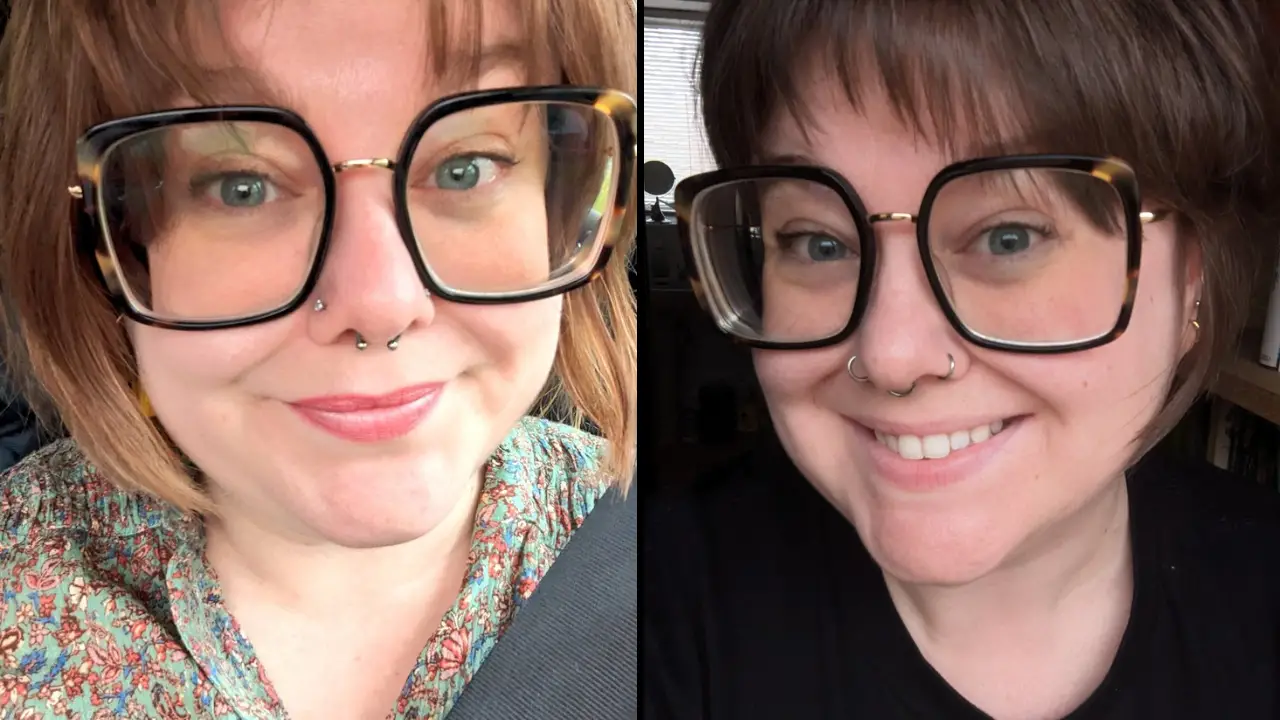
A woman has garnered support after revealing her abrosexual identity, a journey that spanned 30 years of self-discovery. Understanding one’s identity can be a winding path, particularly when society struggles to recognize it.
For one woman, three decades of introspection led her to identify as abrosexual. In her Metro article, journalist Emma Flint shared, “When I say I’m abrosexual, people often look puzzled. I get questions like, ‘Is that a real thing?’ or ‘Why not just choose one?’ all the time.”

Flint’s story began in the 1990s, when awareness of LGBTQ+ identities was limited. Sexual orientations were often confined to rigid labels like straight, gay, or lesbian, and anything else was seen as confusion or defiance. “I felt adrift growing up,” Flint said. “It wasn’t that I didn’t understand myself; my identity just kept changing in ways I couldn’t articulate.”
Her breakthrough came in 2020 after encountering an Instagram post by Zoe Stoller, an advocate for lesser-known LGBTQ+ identities. “It was a revelation,” Flint recalled. “The term abrosexual perfectly captured what I’d been feeling all along.” Abrosexuality, as defined by the Sexuality Wiki, is a fluid sexual orientation within the multisexual spectrum, where attraction shifts over time.

For Flint, the label brought clarity and affirmation. It explained why her attraction could feel lesbian one moment and bisexual the next. “It’s not indecision or confusion,” she stressed. “It’s just how my identity naturally flows.”
Announcing her abrosexual identity wasn’t without hurdles. When Flint shared it with a close friend, the response was dismissive. Still, she’s found encouragement elsewhere, with loved ones taking time to learn about abrosexuality. A common misconception is that her fluid identity complicates relationships, but Flint counters this. “I’m drawn to the person, not their gender,” she said. “My fluidity doesn’t alter my ability to love or commit.”
Not everyone is open-minded, but Flint hopes increased awareness will normalize abrosexuality as part of human diversity. “It’s not about being unique or trendy,” she said. “It’s about recognizing that identities like mine are valid, even if they’re new to others.”

After 30 years, Flint is free from others’ expectations. “I’m thrilled to embrace this fluidity and see where it leads,” she said. “What matters is that it feels right to me – and that’s enough.”